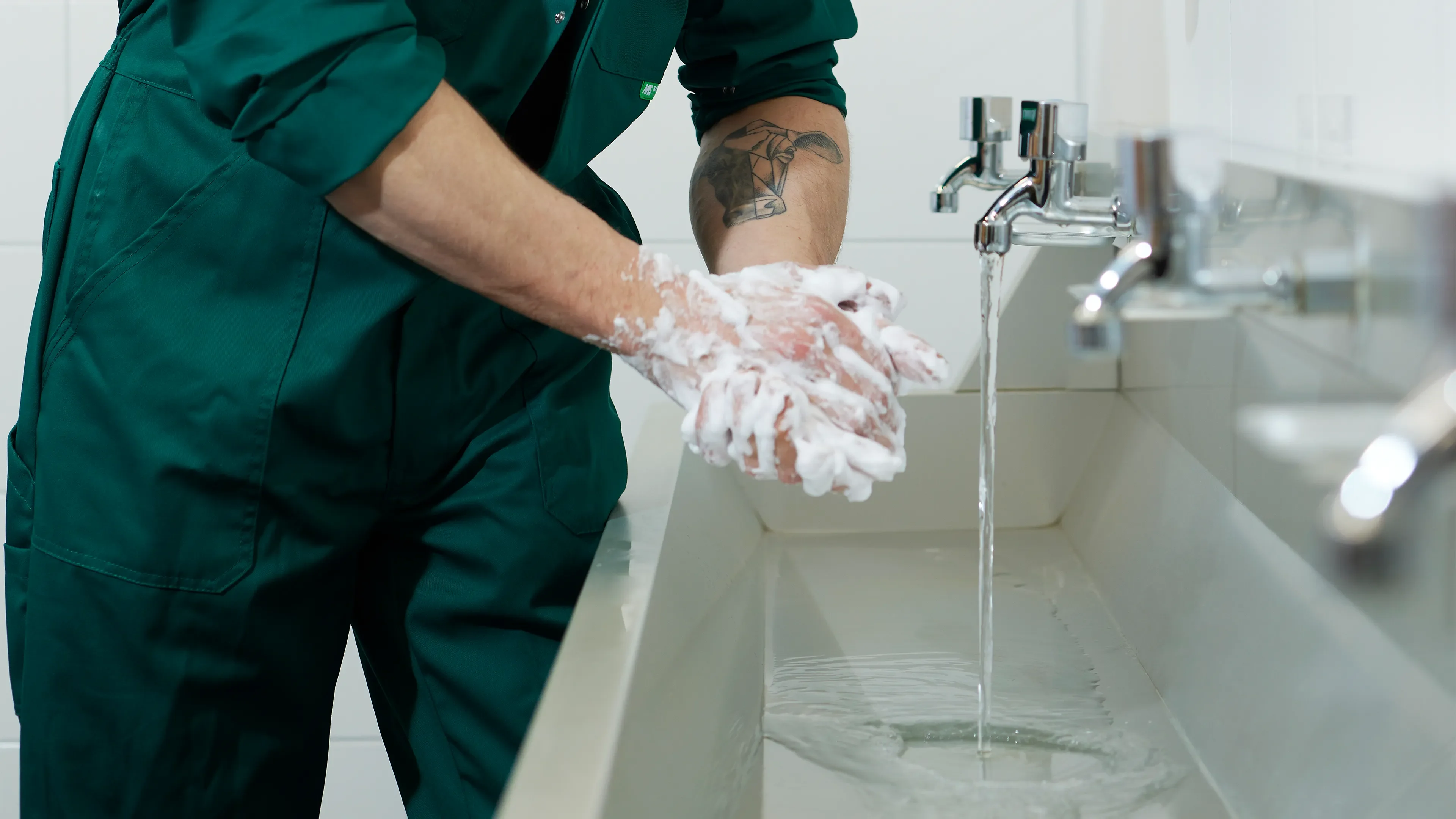
The personal hygiene of workers and visitors is critical for biosecurity
Workers and visitors can inadvertently introduce pathogens (viruses, bacteria, fungi, and parasites) into a farm environment. For example, through contaminated clothing, footwear, and equipment. Many diseases and infections can be transmitted between humans and animals. Appropriate personal hygiene practices, such as hand washing, showering, wearing protective clothing, and using disinfectants, can significantly reduce the risk of transmitting diseases from humans to livestock and vice versa.
Implement a clear visitor protocol
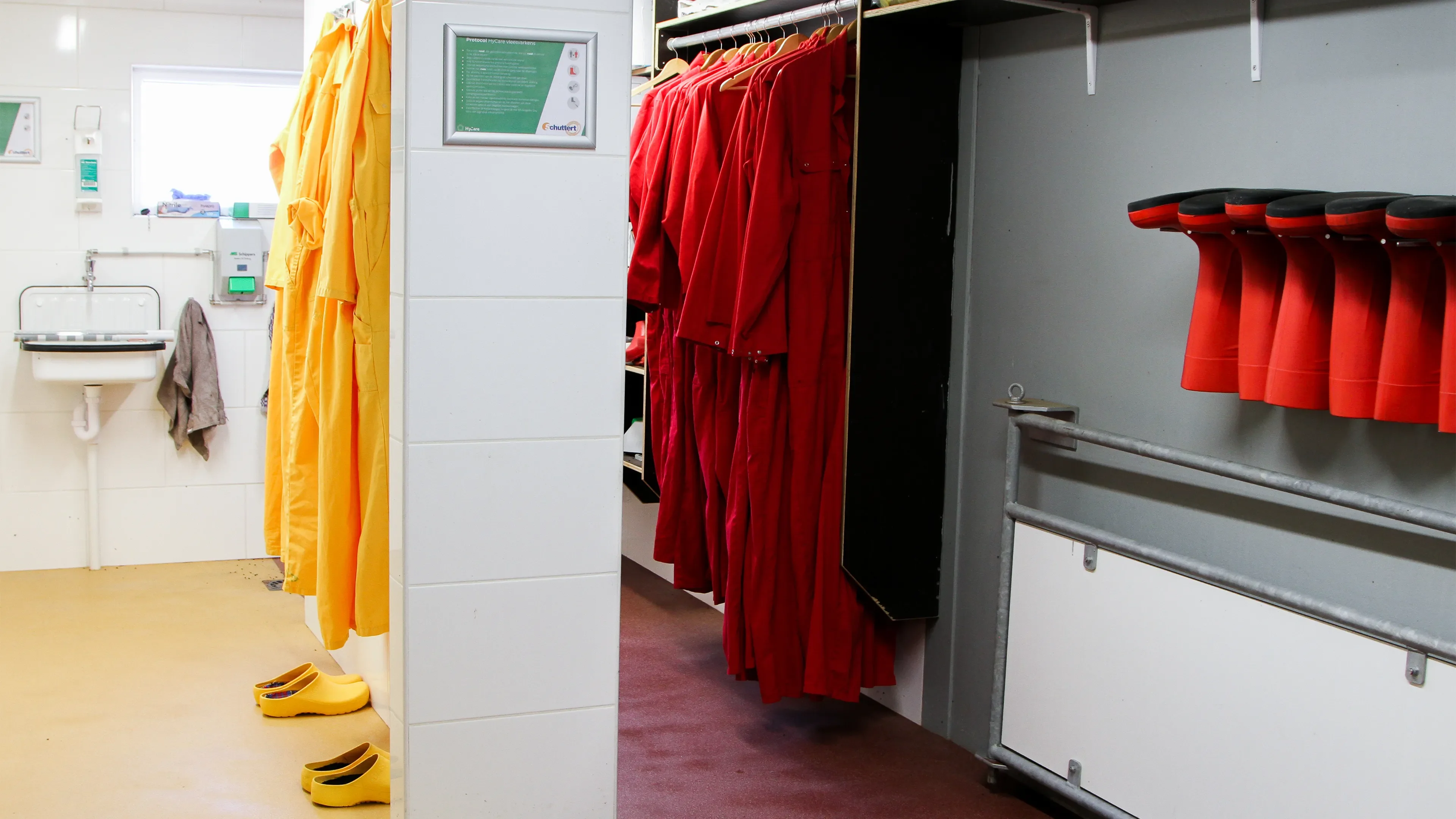
Design your visitor and worker entrance to ensure that following biosecurity protocols is both mandatory and easy.
Clear signage outlining each step of the protocol helps reinforce proper personal hygiene and prevents the introduction of disease onto the farm.
To further reduce the risk of cross-contamination, we recommend implementing a color-coded system. This approach requires visitors to change clothing and makes it easier to monitor compliance with hygiene protocols.
Personal hygiene steps every visitor needs to take
Personal hygiene is vital for visitors of livestock farms to prevent disease transmission, maintain biosecurity, ensure animal welfare, and protect the visitors' health.
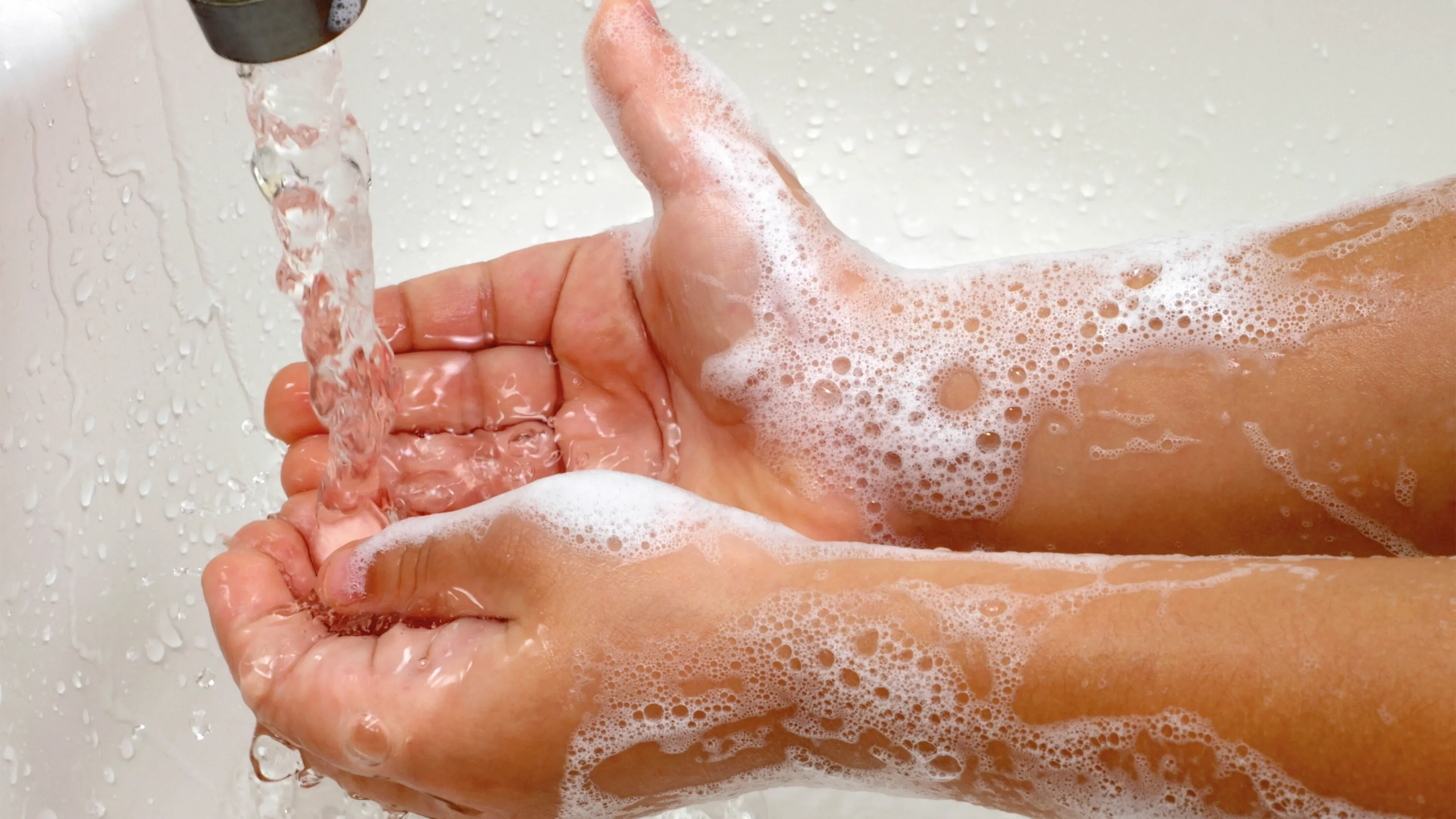
Washing
Always wash your hands before entering the barn. For higher-risk operations, such as pig or poultry farms, taking a full shower is strongly recommended to further reduce the risk of introducing pathogens.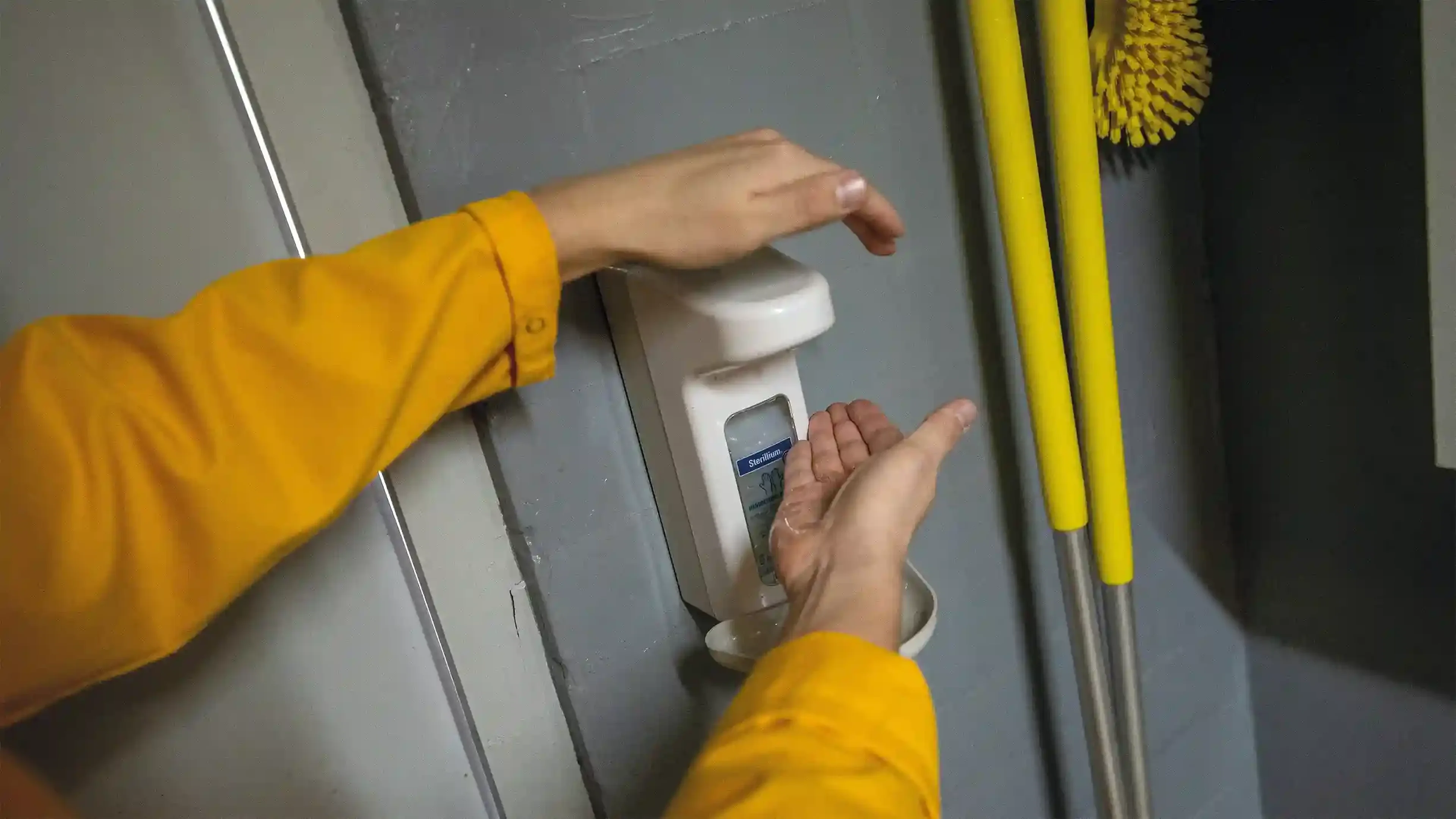
Disinfecting hands
Disinfecting your hands after each task helps prevent cross-contamination between animal groups and areas.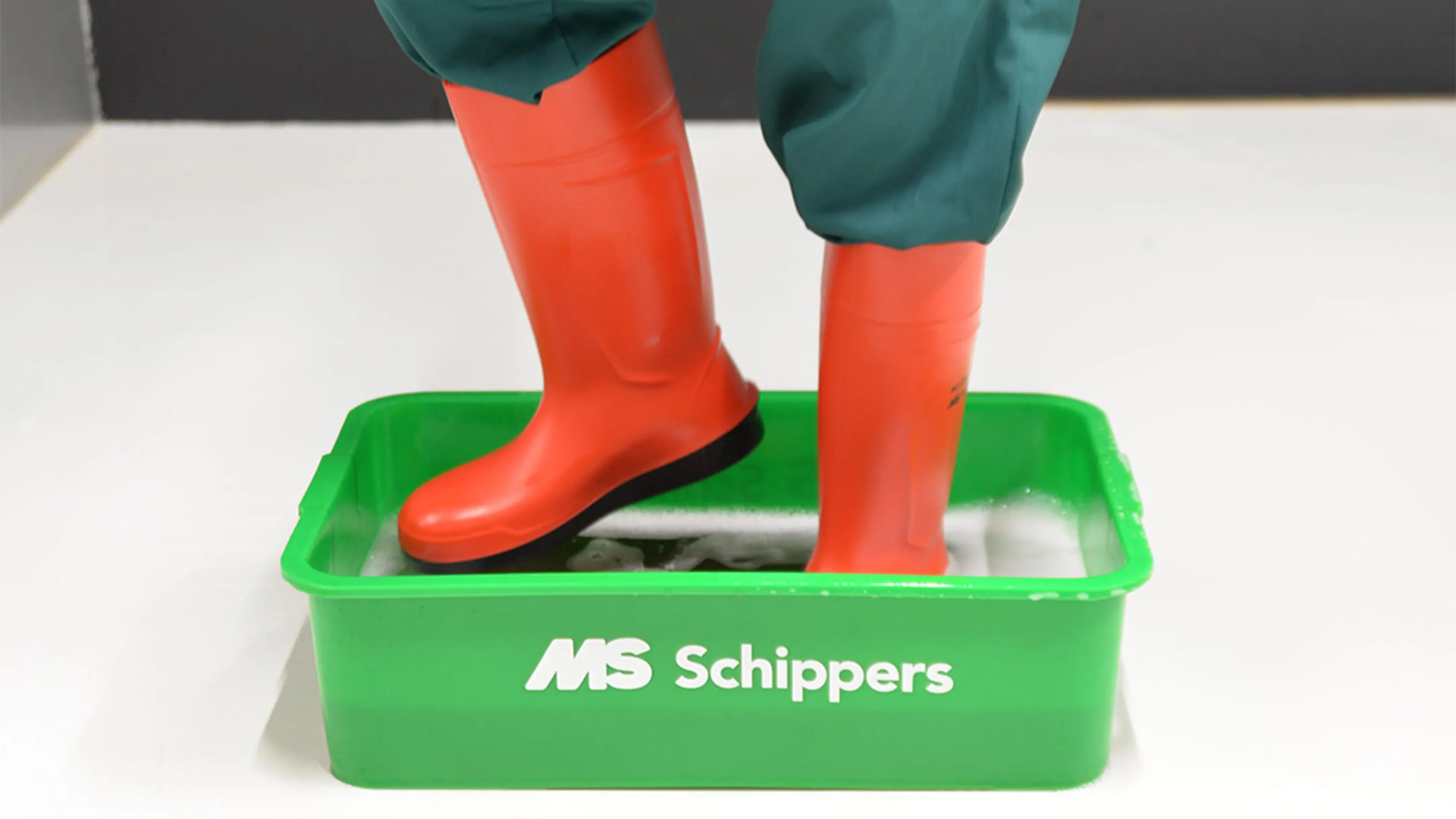
Disinfecting footwear
Everyone can unknowingly carry disease through their boots and clothing. Boots pose a particular risk as they are constantly in contact with contaminated surfaces. Regularly disinfecting footwear is essential to prevent the spread of disease.
Disinfection prevents transmission of disease
It is best to select the disinfectant on its spectrum of activity, specifically on it’s efficacy against the pathogens present in your barn or targeted against a particular disease that forms a current risk in your area. Selecting the right disinfectant is important to improve biosecurity and safety for the pigs and workers. Proper disinfection practices lead to a healthier barn environment, contributing to the overall well-being and productivity of your animals.
Frequently asked questions about personal hygiene