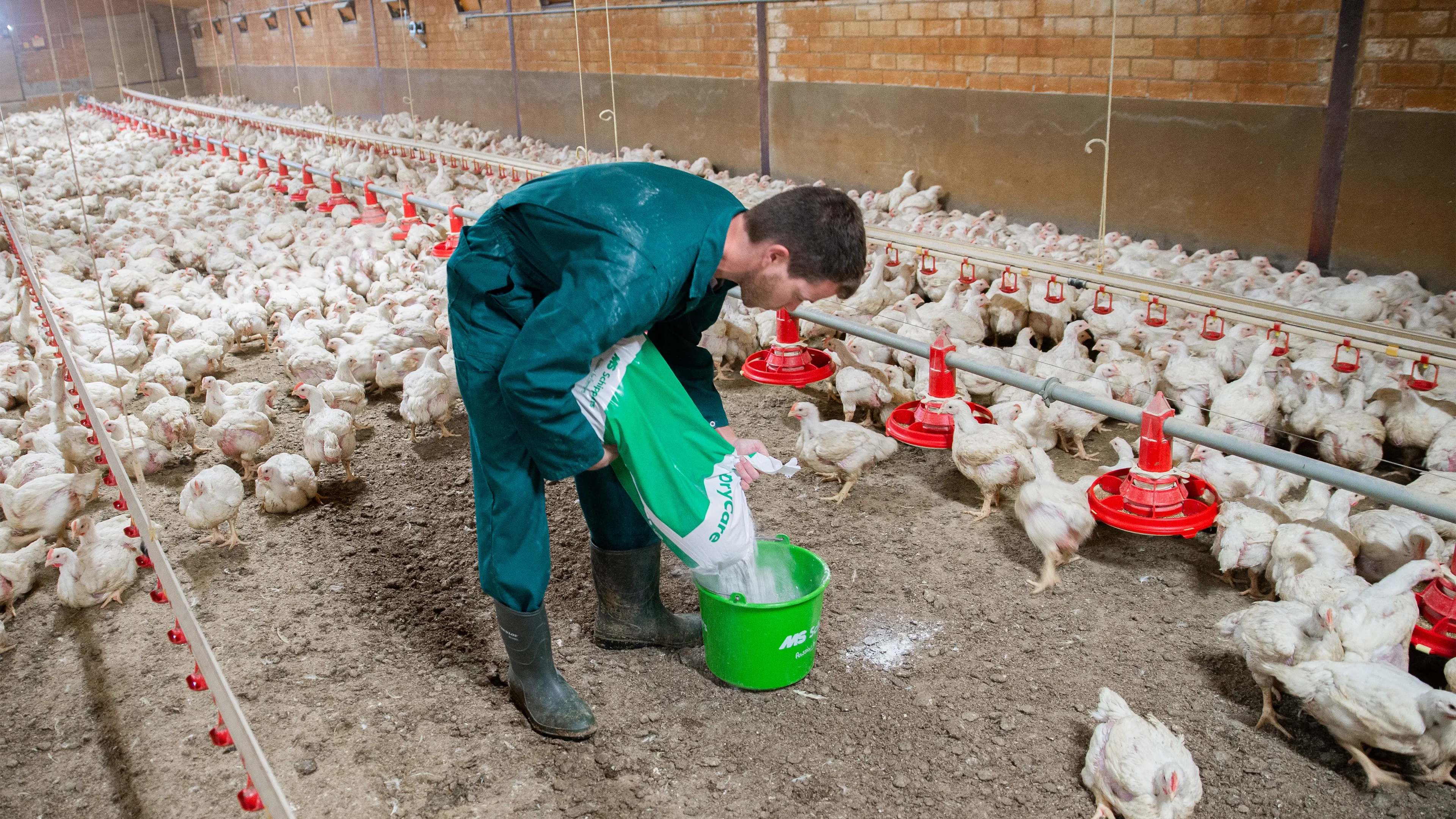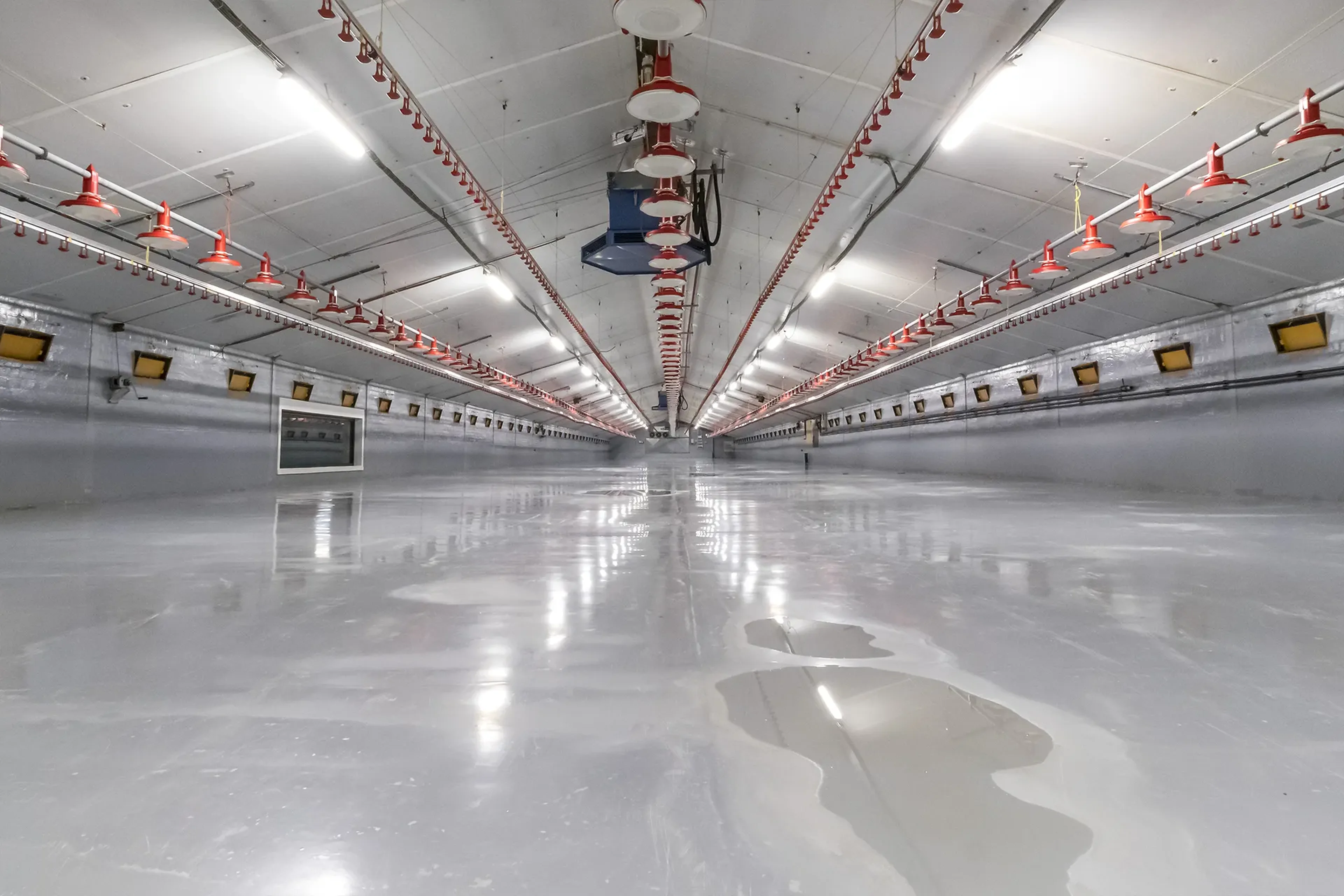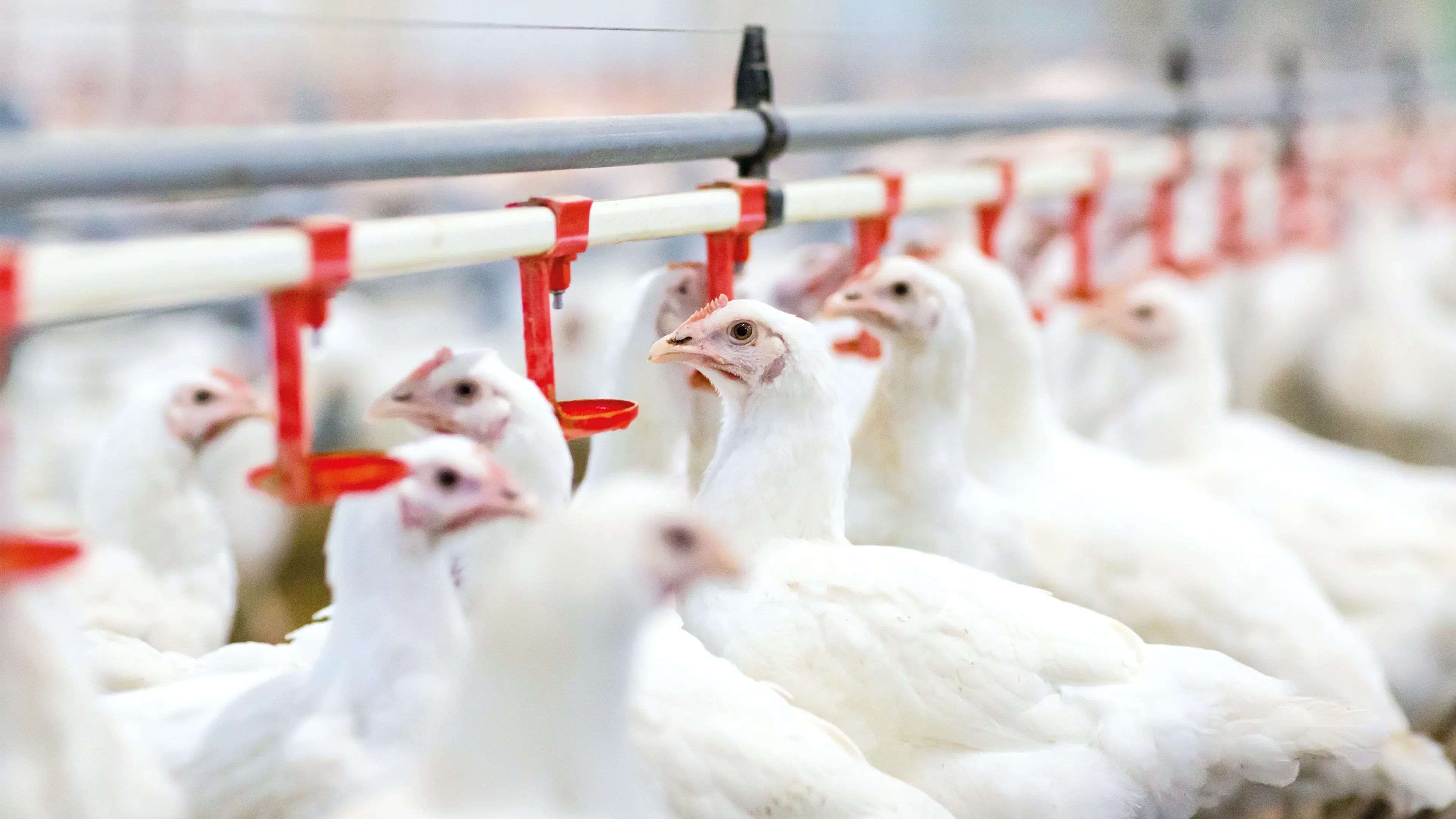
Protect your chickens from colibacillosis (E. coli)
Whether you are running a breeding farm, broiler or layer farm, every farmer has dealt with E. coli.
Escherichia bacteria is a natural resident in the poultry gut. Normally, it is kept in balans by other bacteria in the gut. However, if large colonies form, it can cause severe discomfort, illness, and even mortality. Therefore, it is important to keep E. coli in check to safeguard the performance of your flock.
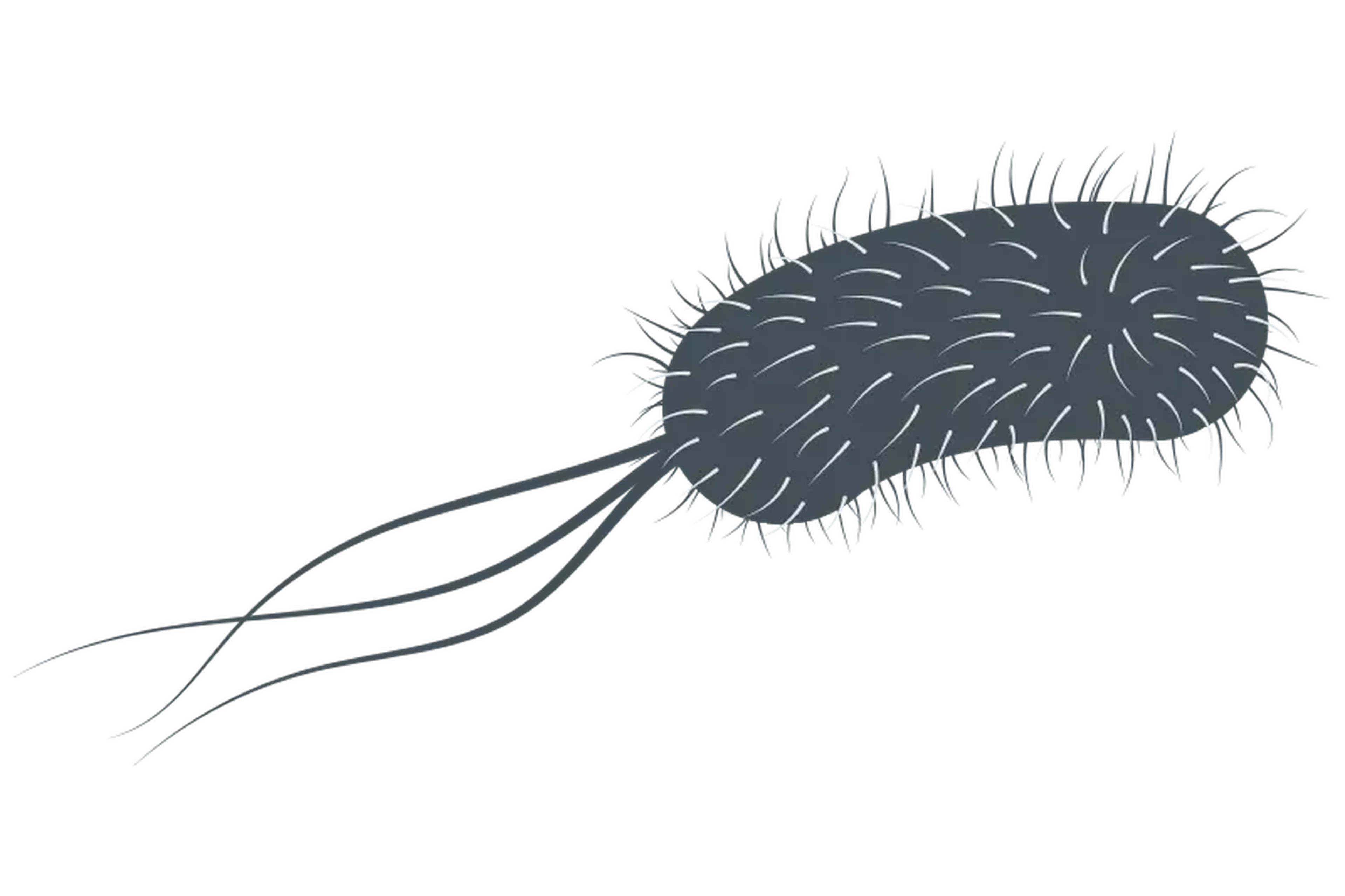
What causes E. Coli in chickens?
The illness caused by pathogenic Escherichia coli is referred to as colibacillosis. E. coli is naturally present in the intestinal tract of poultry and is generally harmless. However, some strains are pathogenic, producing toxins and other virulence factors (VFs) that damage the host's cells. E. coli infections are most likely to occur when birds experience underlying health issues or environmental stress:
- Secondary infections
- Weakened immune system
- Weakened intestinal barrier
- High pathogenic pressure from the environment.
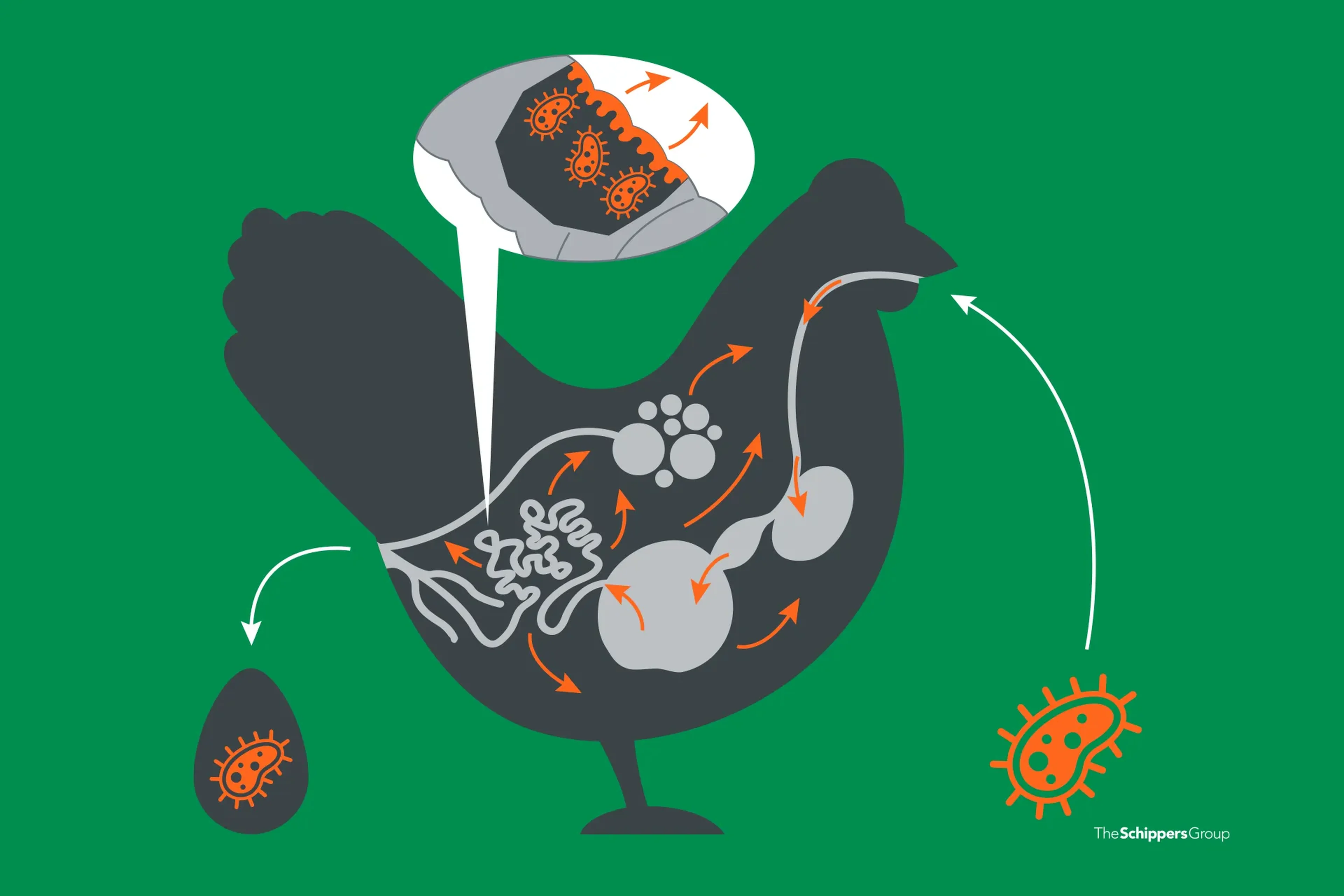
How does colibacillosis spread on the farm?
Infected birds can spread E. Coli via feaces, eggs or via the airways.
- Cloaca: the orbicular muscle between the vagina and cloaca can relax too much, so that fecal particles with E. coli can reach the vagina and fallopian tube.
- Intestinal wall: E. coli can get into the abdominal cavity via the intestinal tract and the intestinal wall.
- Airways: E. coli bacteria can get in the fallopian tubes and abdominal cavity via the air bags.
- Via the parent stock: In the egg through contaminated fallopian tubes or contaminated shell.
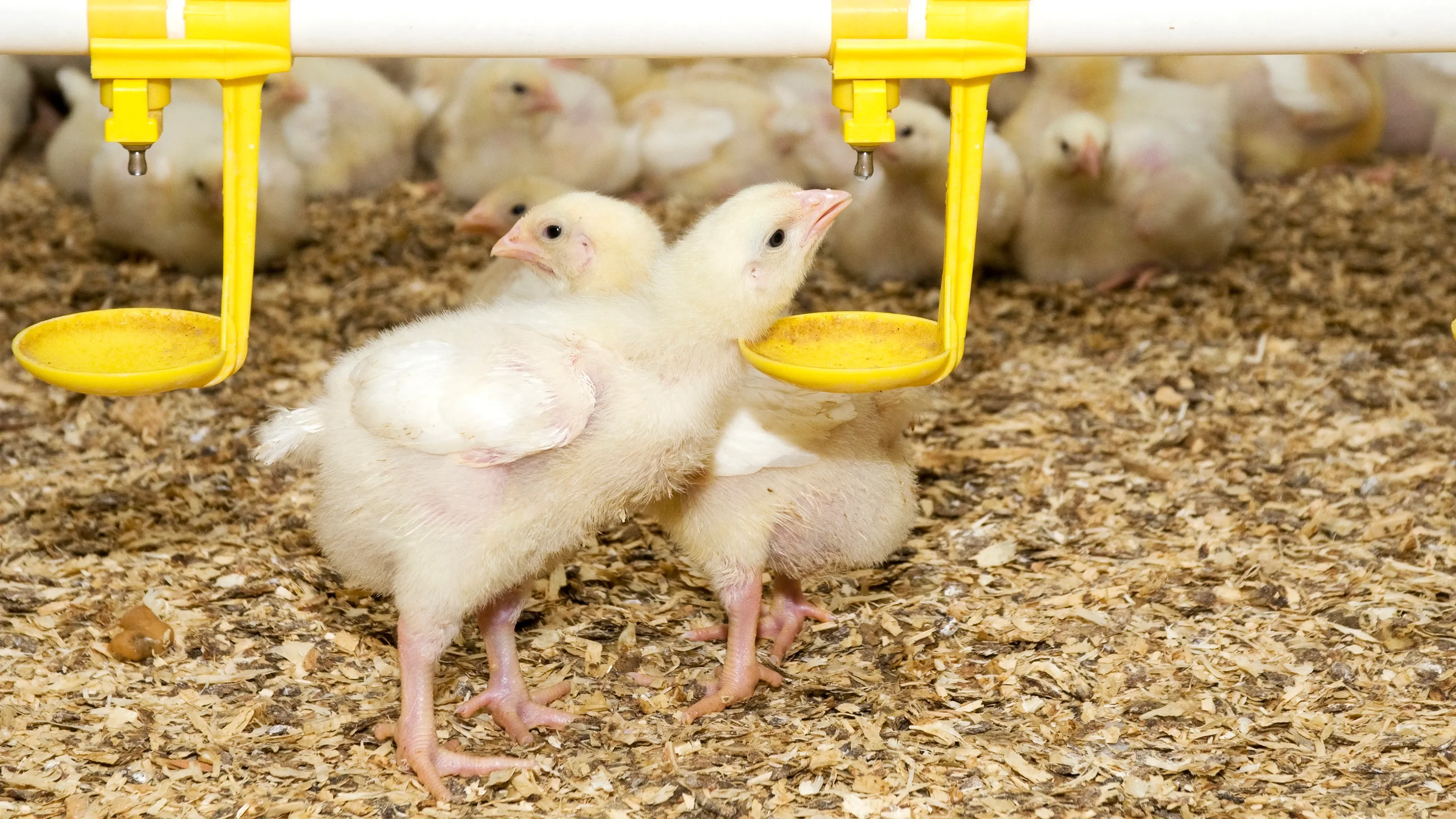
- Via drinking water: Drinking water is an important source or way to spread e.coli throughout your operation.
What are the symptoms of E. coli in chickens?
Signs are nonspecific and vary with age, organs involved, and concurrent diseases.

- Ruffled feathers
- Depression
- Less feed intake and higher conversion
- Coughing
- Yellowish coloured diarrhea
- Difficulty breathing

How to protect chickens against E. coli infections
The main goal is to minimize pathogenic E. coli overgrowth by reducing overall health and environmental stress on your flock.
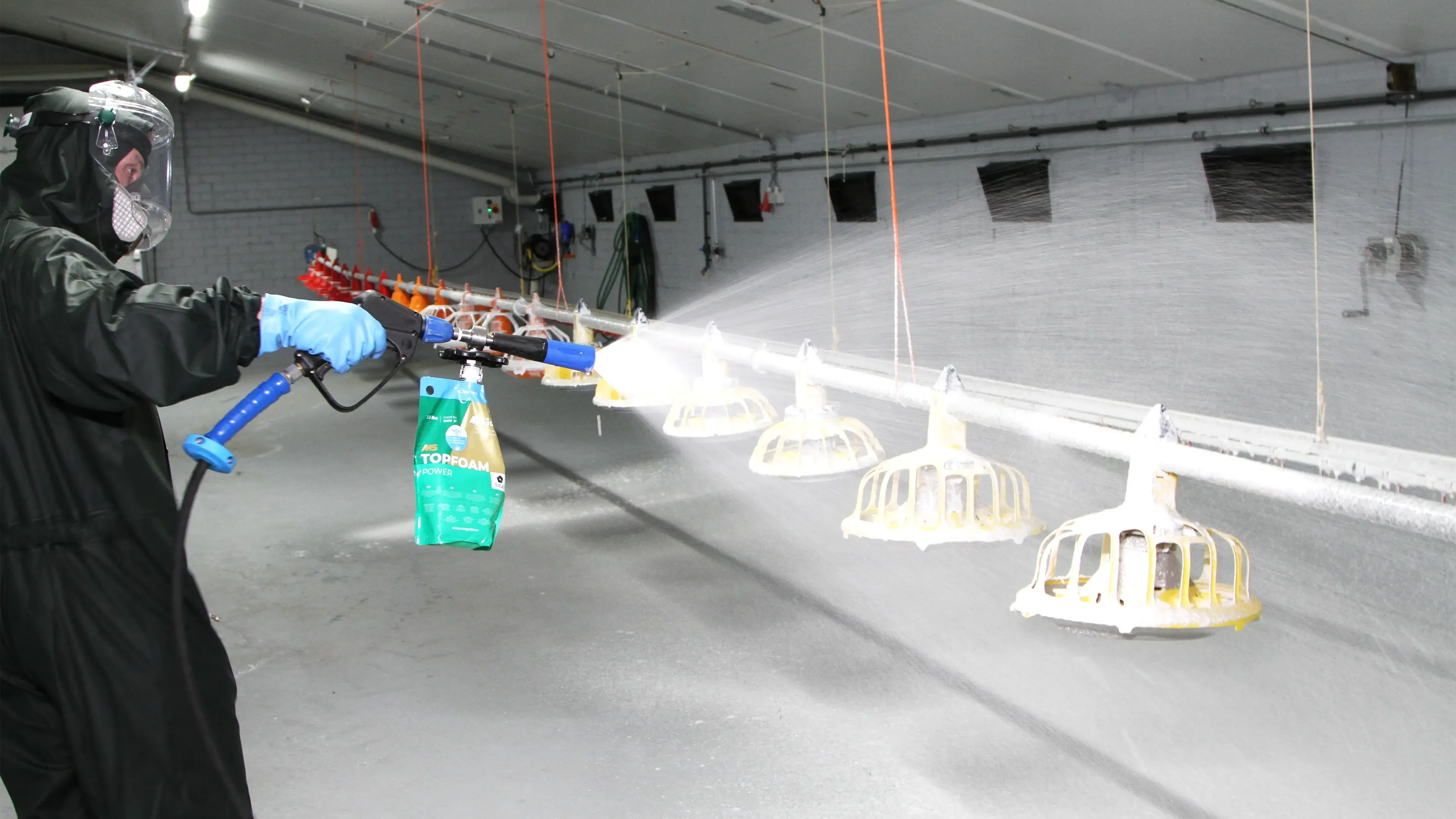
As a poultry producer, your best line of defense is rigorous, regular cleaning and disinfection of housing, combined with providing clean, sanitized drinking water. These crucial steps significantly lower risk by reducing environmental pathogen loads.
Additionally, minimizing stress and promptly managing secondary infections will drastically lower the incidence of Avian Pathogenic Escherichia coli (APEC). Effective, proactive farm management remains the cornerstone of maintaining flock health.
The 5 steps to prevent E. coli in chickens
In order to prevent E. coli infections in chickens, it is crucial to address and eliminate potential risk factors. Let's explore the five biosecurity measures that can effectively tackle E. coli.
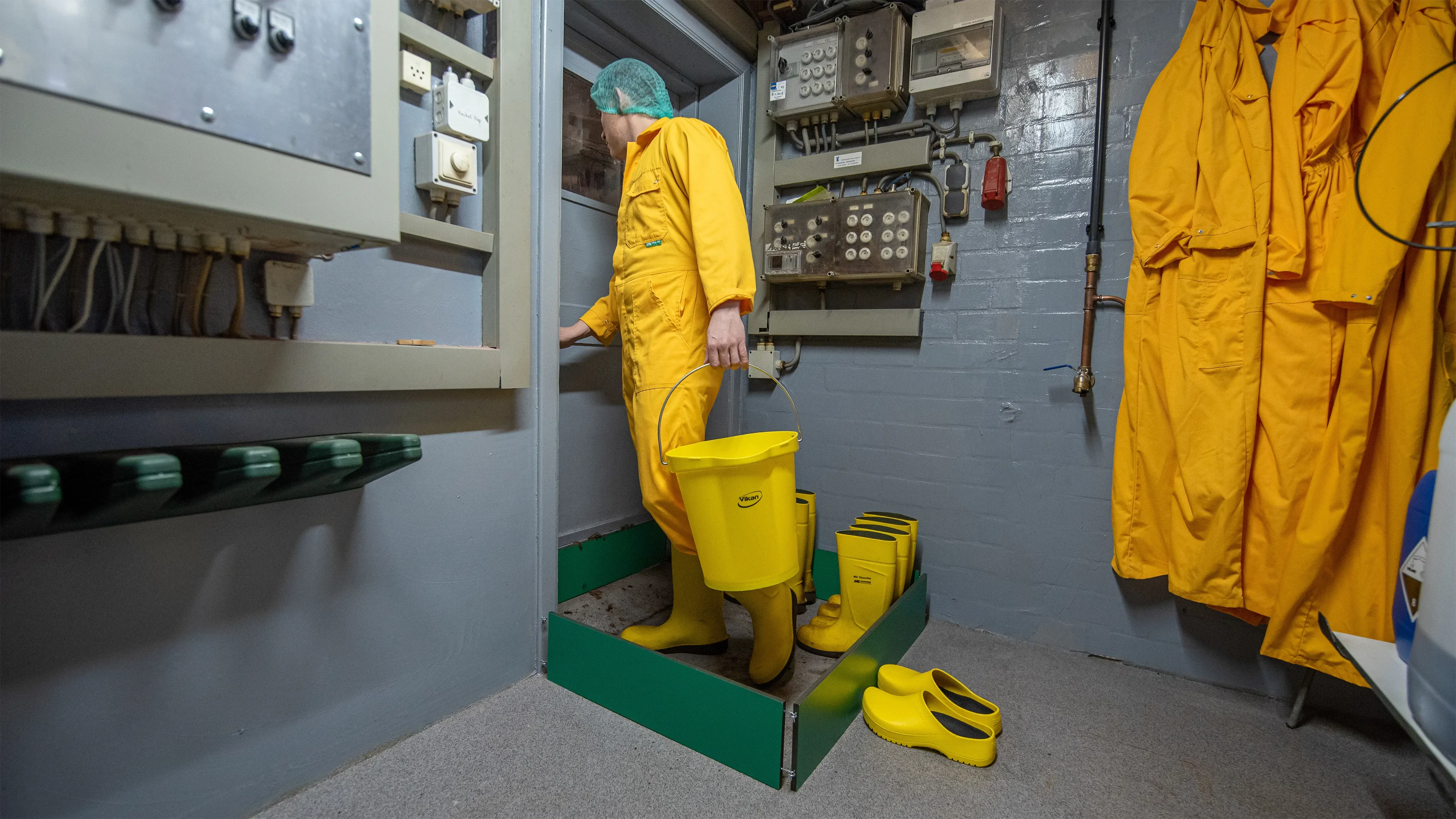
Guard your poultry: hygiene is key
Experts strongly recommend implementing hygiene protocols to protect your poultry from E. coli. It is crucial that every person thoroughly washes and showers before entering the farm to ensure the safety and well-being of your poultry, guarding them against any unwanted guests.